The four link types in plain language
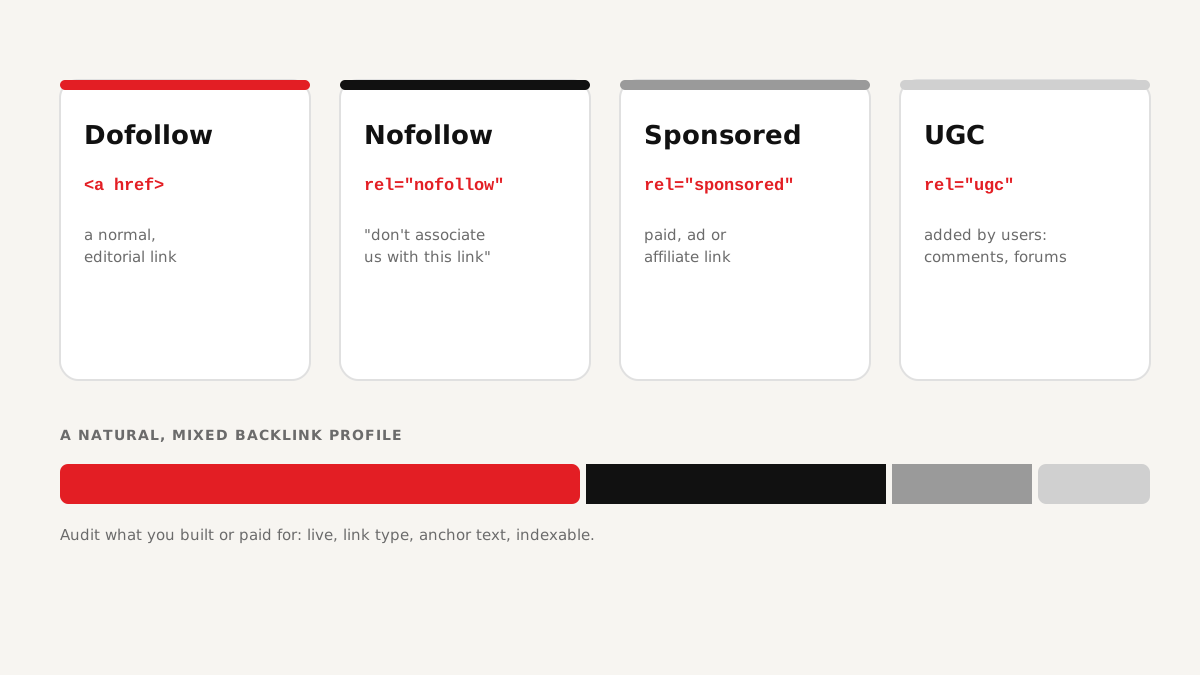
Every link on the web is an <a href> tag. What changes its SEO meaning is the optional rel attribute:
"Dofollow" isn't actually an attribute. It's just shorthand for a link without nofollow, sponsored or ugc.
| Type | What the HTML looks like | What it tells Google | Where you typically see it |
|---|---|---|---|
| Dofollow | <a href="…"> (no rel value) | A normal, editorial link | Articles, partner pages, genuine mentions |
| Nofollow | rel="nofollow" | "Don't associate us with this link" | Many directories, news sites, forums |
| Sponsored | rel="sponsored" | The link is paid or part of an ad/deal | Sponsored posts, affiliate links, ads |
| UGC | rel="ugc" | The link was added by users | Blog comments, forum posts, Q&A sites |
How Google treats each type today
Originally, nofollow was a strict instruction: don't follow, don't pass credit. In 2019 Google introduced sponsored and ugc, and from 2020 it began treating all three as hints. Google may choose to use them for crawling or ranking, or it may not.
In practice, plan as if nofollow, sponsored and ugc links pass little or no ranking value, and treat any benefit as a bonus. They still matter for other reasons: they send real visitors, build brand familiarity, and make a link profile look natural.
Why an all-dofollow profile is a warning sign
Real websites earn links in messy, varied ways: some from articles, some from directories that nofollow everything, some from forum mentions. A profile made up entirely of dofollow links with the same exact-match anchor text doesn't look like that. It looks bought, which is exactly what Google's link-spam policies are designed to catch.
So the goal isn't "100% dofollow". It's a natural mix where the links that should be dofollow, like genuine editorial mentions and partner pages, actually are.
Paid links and the sponsored attribute
Google's guidelines say links that are paid for should be qualified with rel="sponsored" (or nofollow). Buying dofollow links specifically to pass ranking value is a violation of its spam policies, and sites caught selling them can lose the ability to pass value at all.
That doesn't mean every paid placement is wrong. Sponsored posts on relevant sites can be good for visibility and referral traffic. It means you should be honest with yourself about what a paid link is for, and be wary of any vendor that promises "guaranteed dofollow" placements in bulk.
How to audit the backlinks you've built or paid for
Whether links came from your own outreach, a freelancer, or an agency package, the audit is the same routine:
- Gather every linking URL from reports, invoices, outreach emails and Search Console's Links report into one list.
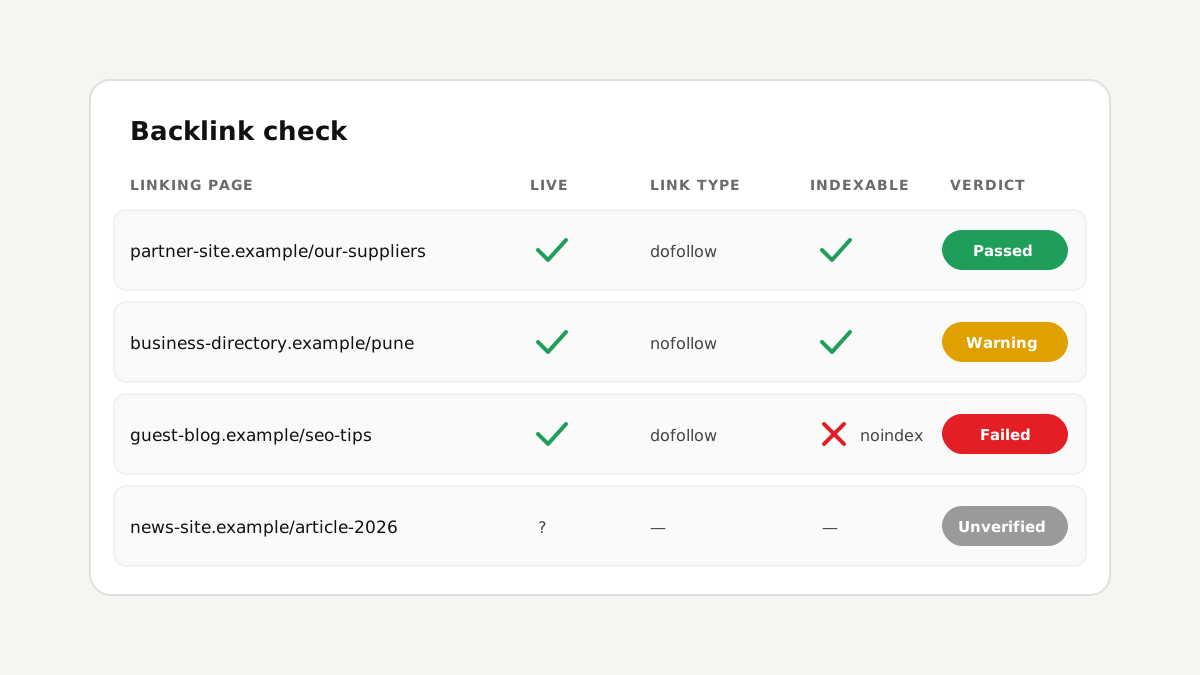
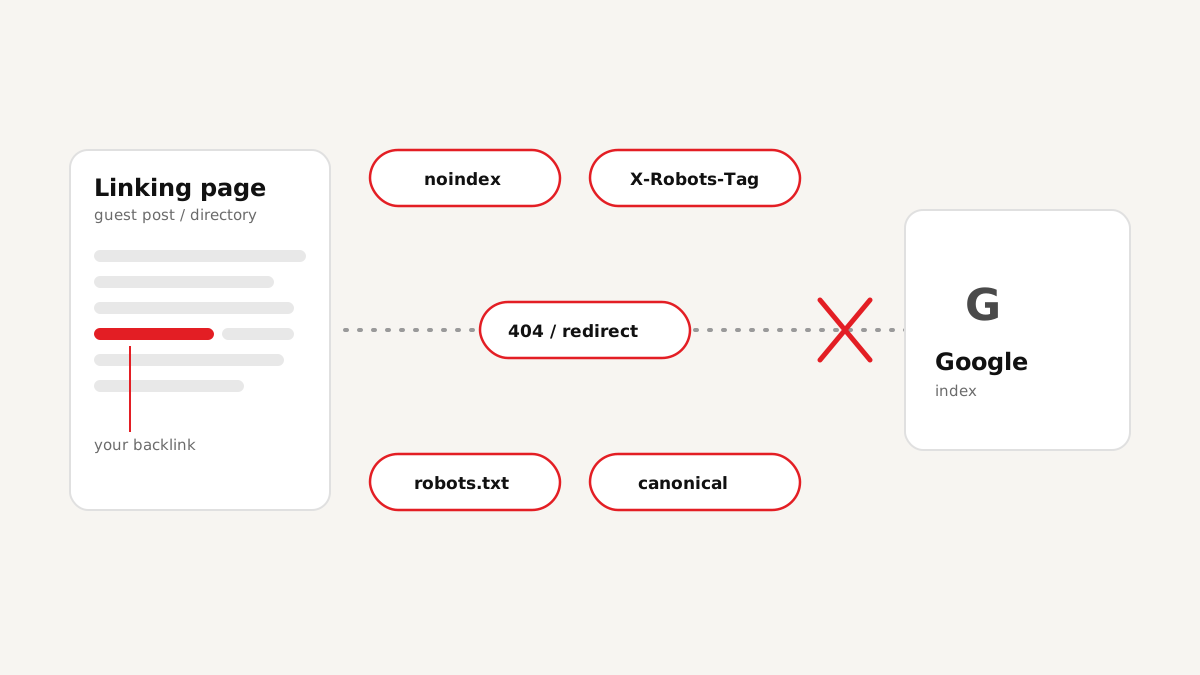
- Check each link's current state: is it live, what rel type does it carry, what anchor text, and is the page indexable? A free backlink checker like WEB HOST PUNE Tools does all of this in one scan, with a Passed, Warning, Failed or Unverified verdict per link.
- Compare against what was agreed. A link promised as an editorial dofollow that turns out to be sponsored, nofollow or on a noindex page is a conversation to have with whoever delivered it.
- Look at the whole profile, not just individual links: the mix of link types, and whether one anchor text dominates.
- Export the results as CSV, Excel or a PDF report and keep them as your baseline.
Lost and changed links: why one check isn't enough
A link that was dofollow and live on delivery day can be nofollowed by a site-wide policy change, removed during an edit, or moved behind a redirect months later. Re-scanning the same list every month or two and comparing with your baseline shows exactly what changed: which links were lost, which changed type, and which pages became non-indexable. (Pro plans in WEB HOST PUNE Tools track these changes between scans automatically.)
For agencies and freelancers, this is also the most straightforward way to show clients the links they paid for are still in place, rather than asking them to trust a one-off report.
FAQ
Conclusion
Dofollow, nofollow, sponsored and ugc aren't good or bad on their own. They're labels that tell Google how to treat a link, and a natural profile contains all of them. What matters is that the links you've worked or paid for are what you were told they are, are still live, and sit on pages Google can index. A simple audit routine, with a baseline and regular re-checks, turns that from guesswork into something you can see.